

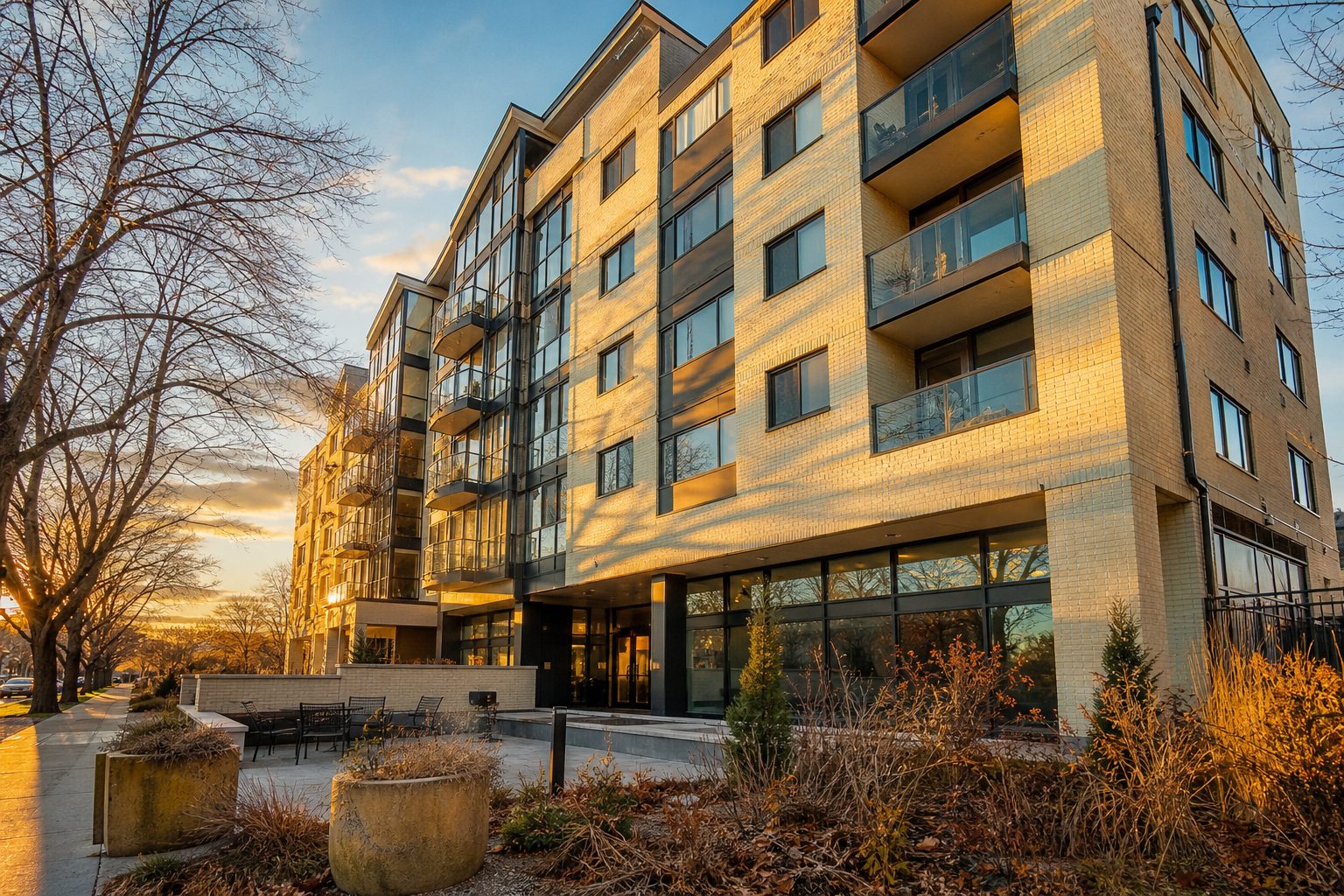
What happens with a special assessment when you’re trying to sell your condo in Madison, WI?
If a special assessment has been levied before closing, you as the seller are typically responsible for paying it. If it’s still being paid in installments, the remaining balance becomes a negotiation point between you and the buyer at the closing table.
Why This Matters Right Now in Madison
Here’s the thing about condos in Madison right now: buyers are pickier than they’ve been in years, and they’re doing their homework. According to local MLS data, Dane County condo inventory grew by about 43% year over year as of mid-2026, and 212 condo listings expired without selling in just the first seven months of this year, the highest total since 2014. Buyers have options, and anything that raises a red flag, like an unresolved special assessment, can send them running to the next listing.
If you’re planning to put your condo or townhome on the market in Madison, you need a clear strategy for handling any existing or upcoming special assessment. Getting this wrong can stall your sale, tank your negotiations, or cost you thousands more than necessary. So let’s walk through exactly what you’re dealing with.
How Special Assessments Work for Madison Condo Sellers
A special assessment is a one-time charge your condo association levies on every unit owner to cover a major expense the reserve fund can’t handle. Think roof replacement, elevator modernization, parking structure repairs, or plumbing overhauls. These aren’t your regular monthly HOA dues; they’re the big-ticket items that can run into the thousands.
Under Wisconsin Statute § 703, your condo association has the legal authority to levy these assessments. And here’s where it gets important for you as a seller: the association also has lien rights under Wis. Stat. § 703.33 for any unpaid assessments, including special assessments. That lien travels with the property.
What does that actually mean for your sale? If you don’t address an outstanding special assessment before or at closing, the buyer could inherit that financial obligation, and their lender and title company will almost certainly catch it. Most title companies will require a condo association estoppel certificate (sometimes called a “status letter”) that lays out exactly what you owe. Nothing stays hidden.
Having closed over 300 transactions across the Madison area over the past 12 years, I can tell you that this document is one of the first things a sharp buyer’s agent will request. If there’s an unpaid balance sitting there, it becomes the center of the negotiation.
The Four Scenarios You’ll Face in Madison
Not every special assessment situation looks the same. Here’s how the most common scenarios play out when you’re selling a home in Madison, WI.
Already Levied and Unpaid
If the association voted on the special assessment before your closing date and you haven’t paid it, you’re on the hook. This is the most straightforward scenario. Your closing agent will typically deduct the full amount from your proceeds at the closing table. No surprises, no drama, as long as everyone knows about it upfront.
Levied but Being Paid in Installments
Many Madison associations allow owners to spread a special assessment over months or even years. If you’re mid-payment plan, you and the buyer need to agree on who covers the remaining installments. The three most common approaches are:
- You pay off the entire remaining balance at closing out of your proceeds
- The buyer assumes the remaining payments, usually reflected in a lower sale price
- You split the cost based on a negotiated proration date
What I tell my clients is that paying it off at closing is usually the cleanest option. It removes a sticking point for the buyer and keeps your listing competitive in a market where, according to Q3 2026 data from the South Central Wisconsin MLS, the condo sale-to-list ratio has already slipped to 99.3%.
Anticipated but Not Yet Voted On
This one is tricky. Maybe your board has been talking about a major siding project for months, but no formal vote has happened. Legally, you may not be required to disclose a future possibility. But practically? Wisconsin’s Real Estate Condition Report requires you to disclose known material defects and financial obligations. And savvy buyers in Madison are reviewing HOA meeting minutes, reserve studies, and financial statements before making offers.
If a buyer finds out after closing that a massive assessment was clearly on the horizon and you said nothing, that’s a recipe for a dispute you don’t want.
Assessment Levied After Closing
If the association votes on a special assessment after the sale closes, that’s generally the new owner’s responsibility. The cutoff is typically the closing date. This is one reason buyers pay close attention to the association’s financial health before they commit.
How Special Assessments Affect Your Sale Price in Madison
Let’s be real: in a condo market where buyers already have more choices, a pending special assessment can be a dealbreaker if you don’t handle it strategically. With 365 active condo listings and only 112 pending in Dane County during Q3 2026 (per MLS data), and with only 20% of condo contracts involving multiple offers as of June 2026, you can’t afford to give buyers a reason to walk.
Here’s what tends to happen. If a buyer sees a $15,000 special assessment on the horizon, they don’t just subtract $15,000 from their offer. They often discount even further because the assessment signals potential building issues, deferred maintenance, or an underfunded HOA. The perceived risk exceeds the actual dollar amount.
One approach that works well is proactive disclosure. When you present the special assessment upfront, explain what it covers, and show that you’ve already paid it off or have a clear plan, you remove the fear factor. Transparency builds trust, and in a market where 28% of Madison condos required a price cut before selling (per mid-2026 MLS data), anything you can do to stand out matters.

What Madison Buyers and Lenders Look For
You should know that buyers aren’t the only ones scrutinizing your HOA’s finances. Lenders care deeply about this, especially for condos. If the association is financially unstable or has a pattern of large special assessments, some lenders will flag the building as “non-warrantable,” making it much harder for buyers to get financing.
With HOA dues in Madison typically running between $150 and $600 or more per month (depending on building age and amenities), buyers are already factoring in significant monthly costs. Stack a large special assessment on top of that, plus property taxes at approximately 2.01% of assessed value per Dane County data, and the total cost of owning a home can quickly exceed what a buyer’s budget allows.
What I always recommend is getting your association’s reserve study, most recent financial statements, and board meeting minutes organized before you list. With 48 five-star reviews from past clients, one pattern I’ve noticed is that the sellers who prepare these documents proactively close faster and with fewer hiccups than those who scramble when a buyer requests them.
Protecting Yourself During the Madison Condo Sale Process
Your best defense is a good offense. Here’s what you should do before listing your condo or townhome for sale in Madison.
- Request your estoppel certificate early. Know exactly what you owe before the first showing.
- Review the reserve study. If reserves are critically low, buyers will assume a special assessment is coming, even if one hasn’t been announced.
- Disclose proactively. Wisconsin’s disclosure requirements exist for a reason. Getting ahead of potential issues is always better than getting caught in a dispute later.
- Price accordingly. If you know a special assessment is in play, work with your agent to factor that into your listing price from day one. Overpricing and then cutting is costly. Per local MLS data, condos that needed a price cut took significantly longer to sell and closed well below their original asking price.
- Negotiate clearly. Make sure your purchase agreement spells out exactly who is responsible for every dollar of any assessment, including installment payments that extend past closing.
Frequently Asked Questions
Who is legally responsible for a special assessment at closing in Wisconsin?
The owner at the time the assessment was levied is generally responsible. If it was levied before closing, that’s you as the seller. If it was levied after the new owner takes title, it falls on the buyer. Your purchase agreement should clearly address this to avoid any confusion at the closing table.
Can I sell my Madison condo if there’s an unpaid special assessment?
Yes, you can still sell. The unpaid amount will typically be deducted from your sale proceeds at closing. The title company will verify what’s owed through the estoppel certificate. The key is disclosing it upfront so it doesn’t derail negotiations later in the process.
Do I have to tell buyers about a special assessment that hasn’t been voted on yet?
Wisconsin’s Real Estate Condition Report requires disclosure of known material information. If the board has been actively discussing a major project, it’s wise to disclose that. Buyers reviewing meeting minutes will likely discover it anyway, and surprises kill deals.
How does a special assessment affect my condo’s value in Madison?
It can reduce perceived value beyond the actual dollar amount. Buyers in Madison’s current market are selective, and an assessment signals potential building issues. Proactive disclosure and showing you’ve addressed the cost helps minimize the impact on your sale price.
Can a buyer back out of a deal because of a special assessment?
If a special assessment is discovered during the inspection or document review period that wasn’t previously disclosed, the buyer may have grounds to renegotiate or withdraw depending on the terms of your purchase agreement. Transparency from the start reduces this risk significantly.
Should I pay off the special assessment before listing my Madison condo?
In many cases, yes. Paying it off removes a negotiation obstacle and makes your listing cleaner and more attractive to buyers. With condo inventory up significantly in Dane County during 2026, eliminating friction points helps your listing stand out.
What is an estoppel certificate and why does it matter?
It’s a document from your condo association that details your current financial standing, including any unpaid dues, special assessments, or pending fees. Title companies require it before closing. Getting it early helps you avoid last-minute surprises.
Can a special assessment be split between buyer and seller?
Absolutely. This is a common negotiation point. The parties can agree to prorate the cost based on a specific date, have the seller pay it in full, or have the buyer assume remaining installments in exchange for a price adjustment.
How do lenders view special assessments on Madison condos?
Lenders scrutinize condo association finances closely. A large pending or unpaid special assessment can affect a building’s warrantability, potentially limiting buyer financing options. This is why a healthy reserve fund matters so much for your ability to sell.
What if my HOA levies a special assessment between listing and closing?
This becomes a negotiation issue. If the assessment is levied after you’ve signed the purchase agreement but before closing, check your contract language. Many agreements address this scenario specifically. If yours doesn’t, you and the buyer will need to reach an agreement, potentially through an addendum.
The Bottom Line
Selling your condo or townhome in Madison in 2026 means navigating a market with rising inventory, selective buyers, and increased scrutiny on HOA finances. A special assessment doesn’t have to derail your sale, but it does require a clear plan. Disclose early, price accurately, and make sure your purchase agreement leaves zero ambiguity about who pays what.
If you’re thinking about selling a home in Madison, WI, Sun Prairie, Fitchburg, Monona, or anywhere across Dane County, and you want someone who specializes in condos and townhomes and has handled these exact situations across 300 closings, reach out to Rico Sabatini at Real Broker LLC. You can call or text at 608-692-1900. Let’s figure out your next move together.

Leave a Reply