


What is your Madison, WI home worth in 2026, and how do you price it to sell fast without leaving money on the table?
Your Madison home is likely worth more than you think. The city’s median sale price hit $436,809 in early 2026, up 4.3% year over year, and well-priced homes are selling in under two weeks.
Why This Matters Right Now for Madison Sellers
You are sitting in one of the most resilient housing markets in the Midwest, and 2026 is proving it. Madison homes have appreciated 25% since 2022, according to data tracked by WJFW. That is not a bubble. That is sustained demand fueled by real economic anchors.
But here is the catch: the market rewards precision over guessing. Sellers who nail their price are getting offers in days, sometimes above asking. Sellers who overshoot? They are watching their listing go stale while the neighbors pop champagne on closing day. With 12 years in this market and over 300 closed transactions across Dane County, I can tell you that the pricing conversation is the single most important one you will have before your home hits the market. So let’s get into the numbers, neighborhood by neighborhood.
What Madison Homes Are Actually Selling For in 2026
Your home’s value depends heavily on which part of Madison you call home. The citywide picture is strong, but the neighborhood-level data tells a much sharper story.
Here is how values break down across key Madison neighborhoods and surrounding Dane County communities, per RealtyTrac estimates for 2026:
- Madison (citywide): $439,175 median estimated value
- Marquette / Willy Street: Single-family homes listed between $350,000 and $500,000, with an average of $429.96 per square foot as of mid-2026
- Near West Side / Monroe Street: Median price around $580,000, with average sales hitting $658,000 and rising 6.0% year over year
- Middleton: $718,004
- Waunakee: $613,032
- Verona: $575,000
- Sun Prairie: $441,643
- Cottage Grove: $458,455
What does this mean for you practically? If you own a three-bedroom craftsman bungalow near Willy Street, you are in a completely different pricing universe than someone with a four-bedroom colonial off Monroe Street. And both of those are worlds apart from a home in Sun Prairie or Stoughton. Lumping all of “Madison real estate” into one number is exactly how sellers either underprice and leave equity on the closing table or overprice and watch their listing collect dust.
As of March 2026, buyers in Madison were closing at an average of 1.79% over asking price, per South Central Wisconsin MLS data. That means the market is still rewarding accurate pricing with competitive offers, especially under $500,000.
Why Dane County Stays Strong When Other Markets Wobble
Here is something most national real estate commentary misses entirely: Dane County is somewhat shielded from big national downturns in the market due to its robust industry and big University presence. Epic Systems in Verona is one of the world’s largest health IT employers. Abbott Laboratories brings another layer of high-income, stable jobs. And the University of Wisconsin, with roughly 50,000 students and tens of thousands of faculty and staff, creates perpetual demand for housing.
When mortgage rates climbed above 6% and coastal markets saw corrections, Dane County kept moving. In June 2026, closings across the county jumped 15.3% year over year, with 821 homes changing hands, according to South Central Wisconsin MLS data reported by wisbusiness.com. The average sale price climbed to $569,509 that month, up 4.8% from June 2025.
That employer stability is your insurance policy as a seller. You are not listing into a market propped up by speculation. You are selling into a market backed by paychecks from institutions that are not going anywhere. With 30-year mortgage rates averaging around 6.25% nationally in June 2026, per Freddie Mac, buyers and sellers alike are accepting this rate environment as the new normal, and transactions are happening regardless.
How to Price Your Madison Home to Sell Fast
This is where most sellers either win big or stumble. Let me break it down by price tier, because the Madison market behaves very differently depending on your home’s value range.
The Sub-$500K Sweet Spot
If your home falls in the $300,000 to $499,000 range, you are in the most active segment of the entire Dane County market. This price band has under 0.90 months of supply with roughly 115 transactions per month, per South Central Wisconsin MLS data from early 2026. That is extraordinary demand.
In this range, pricing at or slightly below recent comparable sales can generate multiple offers. Two-bedroom single-family homes were commanding 102.53% of list price in June 2026, according to market snapshot data. You are not “giving your home away” by pricing accurately. You are creating competition that pushes the final number up.
The $500K to $750K Range
Here the market is more measured. Sold homes in this range moved in just 9 days on median in April 2026, per Dane County MLS data. But active (unsold) listings in this same range sat for 35 days. That gap tells you everything: accurately priced homes fly, while overpriced homes sit nearly four times longer.
The $750K+ Range
Homes above $750,000 carried 3.2 months of supply in April 2026, and above $1 million, supply stretched to 5.3 months with a 57-day median time on market. If your home is in this tier, pricing strategy becomes even more critical. Every extra week on the market costs you leverage.
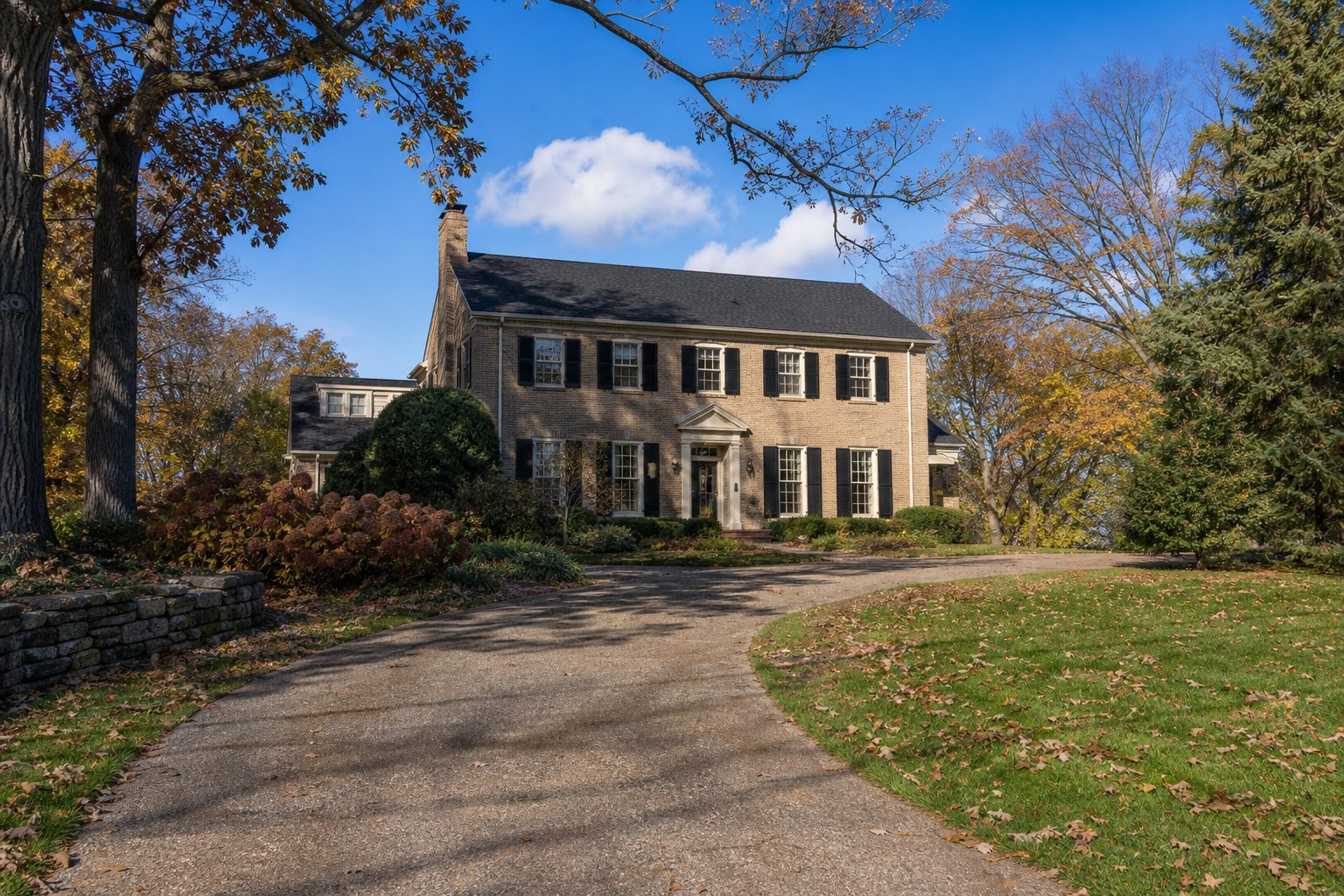
The Real Cost of Overpricing in Madison
So what actually happens when you overprice? I have seen this pattern hundreds of times across my 300-plus transactions in Dane County. The listing goes live, the first weekend passes without a showing frenzy, then a price reduction follows two or three weeks later. By then, the market has labeled your home as “stale,” and you end up selling for less than you would have if you had priced correctly on day one.
The data confirms this. In June 2026, sellers across Dane County received 100.47% of list price on average, and homes moved in just 23 days, according to South Central Wisconsin MLS data via wisbusiness.com. But that average includes the accurately priced homes pulling the number up. The overpriced listings dragged for weeks before price cuts brought them back to reality.
Madison’s isthmus geography is another factor working in your favor. The narrow strip of land between Lake Mendota and Lake Monona that holds downtown, the Capitol, and the UW campus has essentially no room for new single-family development. That natural constraint on supply is your friend, but only if you price correctly to capture the demand that constraint creates.
As one of my past clients put it: “I got top dollar on my last sale and couldn’t be happier.” That result came from pricing accurately, not from wishful thinking. With 48 reviews and a 4.9 out of 5 star rating from past clients, the feedback I hear again and again is that precise pricing, not guesswork, is what delivers the best outcome.
When to List Your Madison Home for Maximum Impact
Timing matters. New listings surge in Madison from late March through June, which is the peak window for maximum buyer exposure. Homes listed in April and May in well-maintained condition and priced accurately have historically attracted multiple offers within the first weekend.
But if you missed that spring window, do not panic. Dane County had 8.4% more residential closings in Q2 2026 compared to Q2 2025, per wisbusiness.com. With just 1.8 months of single-family supply in July 2026, per South Central Wisconsin MLS data, sellers still hold the upper hand heading into fall.
The key is preparation. Buyers in 2026 are more deliberate. They are requesting inspections, taking their time, and negotiating. Having your home move-in ready, professionally photographed, and priced on target from day one eliminates friction and keeps your timeline short.
Frequently Asked Questions About Madison Home Values in 2026
What is the median home price in Madison, WI in 2026?
The January through March 2026 average median sale price in Madison was $436,809, per WJFW data. That represents a 4.3% year-over-year increase and a 25% gain from 2022. Your specific neighborhood will shift this number significantly, so a hyperlocal comparable analysis is essential.
How fast are homes selling in Madison right now?
As of March 2026, the median days on market was 14 days in Madison, per local MLS data. In February 2026, Dane County single-family homes sold in just 12 days on average. Accurately priced homes are moving quickly.
Is Madison still a seller’s market in 2026?
Yes. Madison had just 0.77 months of supply as of March 2026. A balanced market typically carries four to six months of supply. With supply this low, sellers retain significant pricing power.
What percentage of asking price are Madison sellers getting?
In June 2026, Dane County sellers received 100.47% of list price on average, according to South Central Wisconsin MLS data reported by wisbusiness.com. In the two-bedroom segment, sellers received 102.53% of asking.
How much have Madison home values gone up since 2022?
Madison’s median sale price has risen 25% from $349,333 in early 2022 to $436,809 in early 2026, per WJFW data. The FHFA House Price Index for the Madison MSA reached 363.89 in Q1 2026, per the Federal Reserve Bank of St. Louis.
What is the best time of year to sell a home in Madison?
Late March through June offers the largest pool of active buyers. However, Madison’s tight inventory, with just 1.8 months of single-family supply in July 2026 per South Central Wisconsin MLS data, means sellers can find strong demand throughout the year.
How does my Madison neighborhood affect my home’s value?
Dramatically. Marquette/Willy Street homes list between $350,000 and $500,000, while Near West Side/Monroe Street homes average $658,000. Even within the city, a few blocks can mean a six-figure difference.
What are closing costs for sellers in Madison, WI?
Wisconsin sellers pay the real estate transfer tax at $3 per $1,000 of sale price. On a $400,000 sale, that is $1,200. Additional costs include agent commissions, title fees, and any negotiated repair credits. For more information on all the costs involved in buying a home, consult resources from the Consumer Finance Bureau on homebuying costs.
Why does Dane County hold its value better than other markets?
Dane County benefits from major employers like Epic Systems and Abbott Laboratories, the University of Wisconsin’s massive presence, and geographic constraints on new development. These economic anchors sustain buyer demand regardless of national rate fluctuations.
Should I price my Madison home above market value to leave room for negotiation?
No. The data shows overpriced homes in the $500K to $750K range sit four times longer than accurately priced ones in the same bracket, per April 2026 Dane County MLS data. Pricing at market generates faster, stronger offers.
The Bottom Line on Pricing Your Madison Home in 2026
You own a home in one of the most structurally sound housing markets in the country. Dane County’s combination of major employers like Epic Systems and Abbott Labs, the University of Wisconsin, and severe inventory constraints means your home has real value backed by real demand. The question is not whether it will sell. The question is whether you will price it to capture every dollar the market is willing to pay.
Explore more about selling a home in Madison, WI and stay updated on real estate trends in Madison to ensure you’re making the most informed decision. With over 12 years helping sellers across Madison, from Willy Street bungalows to Monroe Street Tudors, I have seen what separates a great outcome from a frustrating one. It always comes down to accurate pricing, sharp preparation, and local knowledge. If you are ready to find out exactly what your home is worth and build a plan to sell it right, give me a call at 608-692-1900. I am Rico Sabatini with Real Broker LLC, and I would love to help you make your next move a smart one.

Leave a Reply